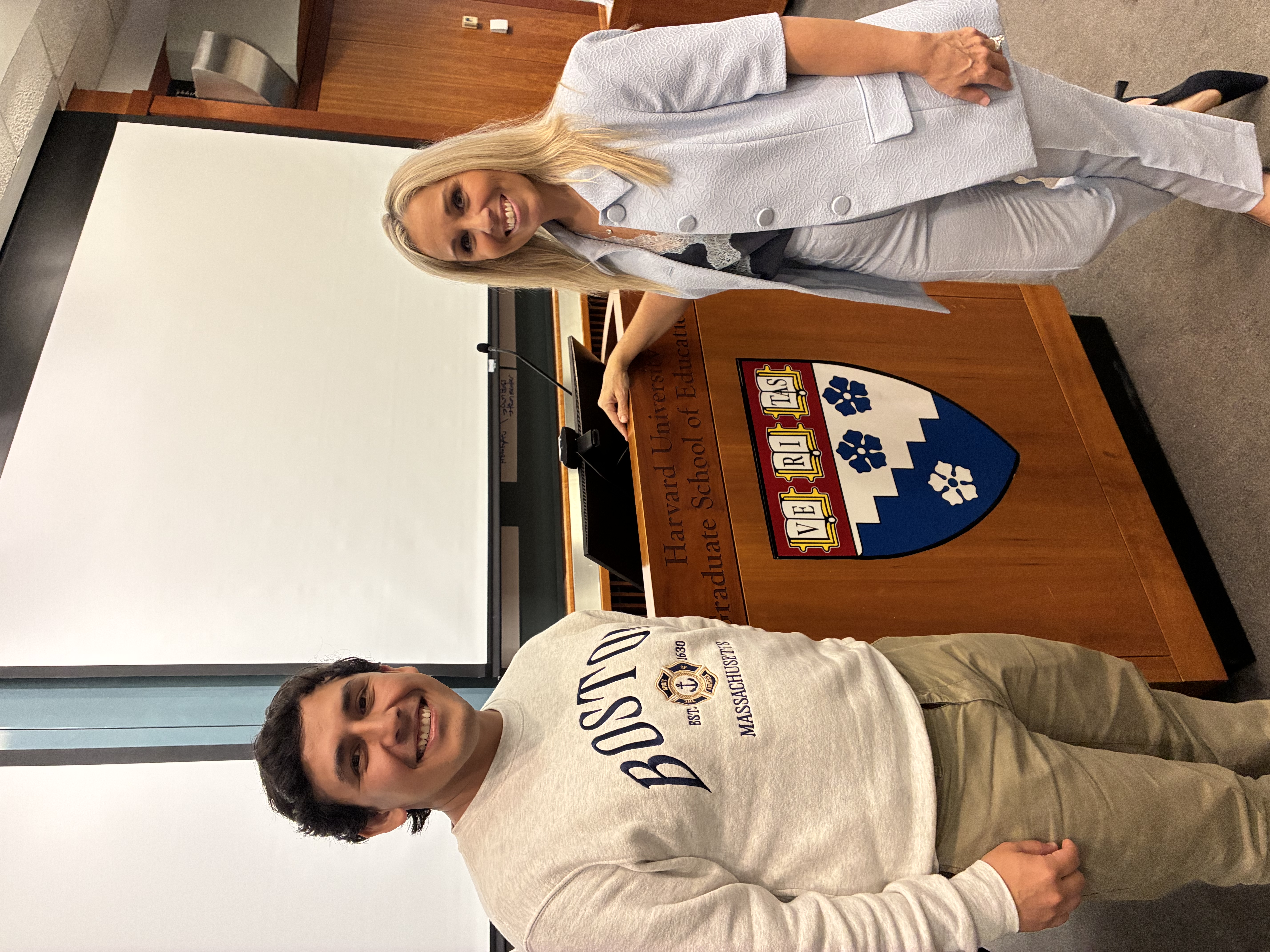

Anna DiGilio
Founder and CEO, Laprea Education
Anna DiGilio is the founder and CEO of Laprea Education. She spent 23 years teaching and began publishing decodable books designed to match the phonics skills students were learning.
Career portfolio
Education entrepreneur from Peru. General Manager of Colegios San Pío X and Ed.M. candidate at Harvard Graduate School of Education.
Leadership
Colegios San Pío X
Education
Harvard Graduate School of Education
Stage: Research and development
An independent university-preparation venture in Peru.
Stage: Venture
A personal product experiment built as a progressive web app.
Stage: Experiment
I’m an education entrepreneur from Peru. I serve as General Manager of Colegios San Pío X, and I’m completing an Ed.M. at the Harvard Graduate School of Education, expected May 2027. This site brings together my career, the projects I’m working on, and interests outside work, including LEGO building.
No builds posted yet.
Photos and short videos of my LEGO builds will appear here.
Make room for
another perspective.
A space for thoughtful education interviews, exploring AI, teaching and human connection.
Founder and CEO, Laprea Education
Anna DiGilio is the founder and CEO of Laprea Education. She spent 23 years teaching and began publishing decodable books designed to match the phonics skills students were learning.
Senior Learning Designer, Duolingo
Isabel Deibel is a Senior Learning Designer at Duolingo. She earned her Ph.D. at Penn State, where she studied how Spanish, Quichua, and the mixed language Media Lengua interact.
In 2023, Duolingo's founder mentioned in a TED Talk that Duolingo relied on the same psychological techniques as TikTok, Instagram, or mobile video games to engage users.
How has that vision shifted over the years? Is engagement still Duolingo's North Star?
Some positions claim that children shouldn't be able to use phones until they turn sixteen. What's your position or take on that?
Edited automatic transcript; not independently verified against audio.
So ideally, if you spend more time on Duolingo, the goal is that you will be consuming content that is useful to you, compared to Instagram or TikTok. Honestly, I don’t use either of them, so I don’t know what’s on there.
We want to make sure you stay in the app for as long as possible, because the longer you stay, the higher your chance of learning something. That is our goal. But it shouldn’t be a waste of your time. There should be a learning component to staying in the app.
Something we’ve done in the last couple of years is try to define different metrics to figure out whether the time you spend in the app is spent well, versus just trying to farm XP, do easy exercises, win an XP boost, or show off to your friends.
We’re trying to figure out how to measure the learning value of a session. It sounds easy, but in practice it’s really difficult. I don’t even know personally how we define this, because it is so hard to define, and all you really have is a phone.
How can I define on a phone whether this is maximally useful to you? It’s hard to say. It could be how many exercises you’re getting correct. Is there a stretch of thirty minutes in your day where you’re only getting exercises correct?
Great. Maybe that means you’re spending your time really well, or maybe you’re not spending your time well at all because the exercises seem really easy for you. You should be learning something much harder. Maybe there actually needs to be less accuracy in how you complete these sessions.
It’s really hard to interpret the data sometimes, because we can’t just ask somebody, ‘Did you find this lesson useful?’ or ‘Did it actually teach you something?’ That’s not a mechanism we currently have. It’s really hard to draw conclusions just from the data we have.
The same thing applies. I think it’s better to use something where you learn as a kid than to randomly view TikTok videos. I can see where those policies and calls are coming from.
But at the end of the day, I think it depends on each parent and what they want to do with their child. You see a lot of kids getting parked in front of the TV anyway.
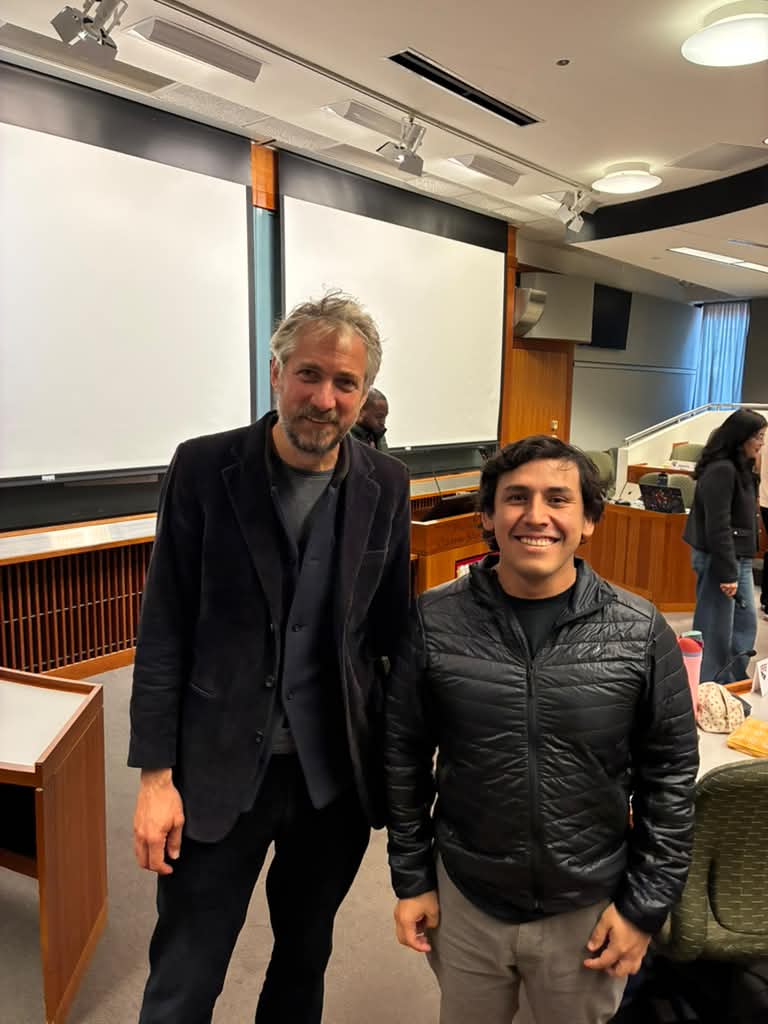
Co-founder, Memrise
Ben Whately co-founded Memrise in 2010. His experience learning Chinese through everyday life helped inspire the company’s approach to practical, immersive language learning.
No guest or interview clips have been added yet.